Friday, December 21, 2012

Pasaka: Sīmens, Samsungs un Aifons


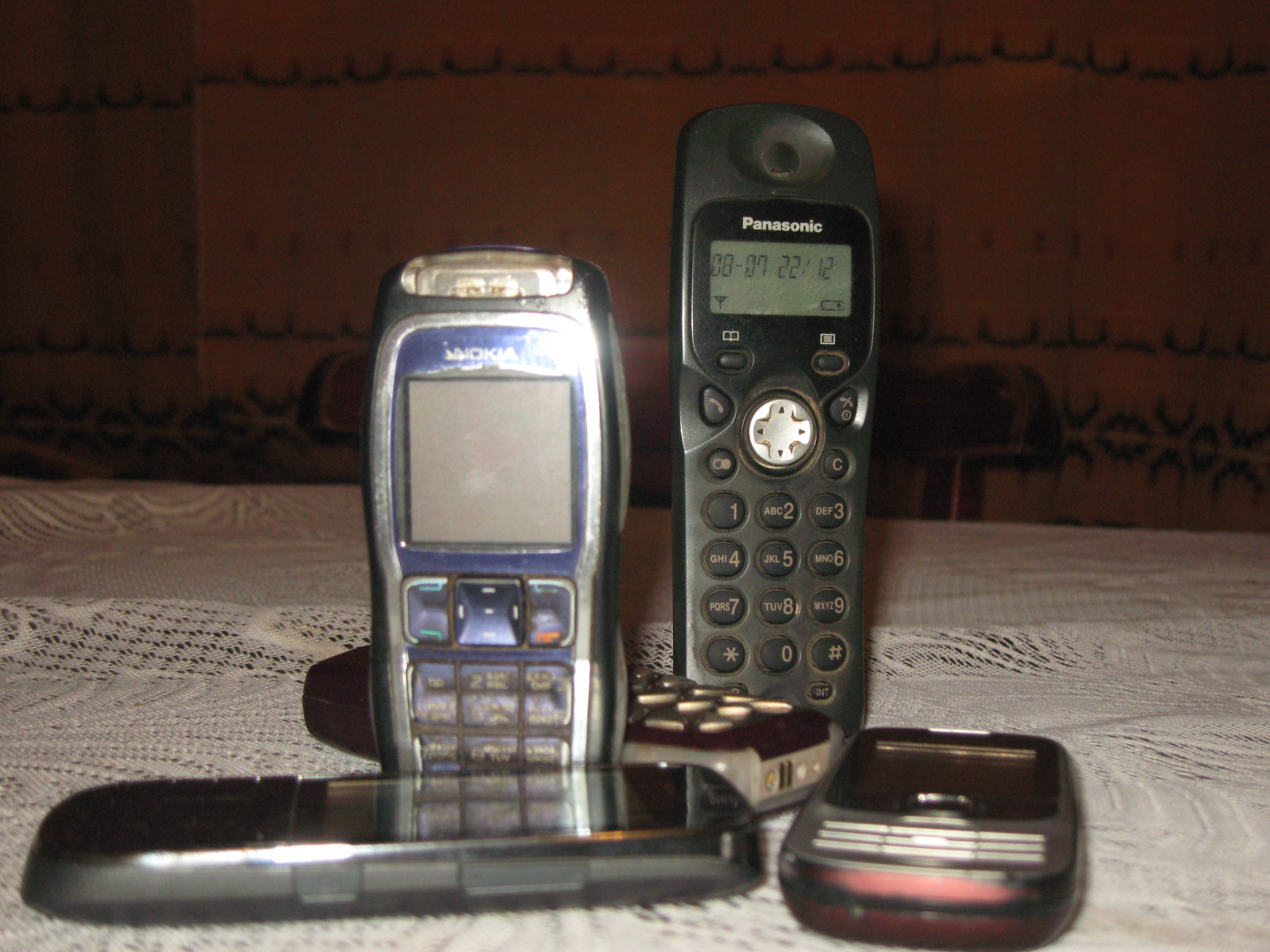
Mātei bija trīs dēli – Sīmens, Samsungs un Aifons. Vecākajam dēlam Sīmenam bija desmit gadu.  Tā kā puisis jau gāja skolā, māte tam daudz laika neveltīja. Piešķīra vien savu noslēgtu istabiņu un teica. „Mācies tikai!”. Taču dēlam pēc skolas gribējās paspēlēties. Kā kādreiz. Kā Māte to bija darījusi pirms piedzima Samsungs un Aifons.

„Mammu, kāpēc tu ar mani vairs nespēlējies?,” dēls Mātei reiz jautāja, kad viņa pārnāca mājās ar Aifonu uz rokām un Samsungu, stingri pieķērušos pie rokassomiņas.

„Tu jau esi liels! Kādas tev vēl spēlītes prātā? Sēdi un mācies. Paskat, tu esi visvecākais, bet glupākais no maniem dēliem. Aifons trīs gados jau iemācījies lasīt un rakstīt, kamēr tu knapi burto, ” Māte skarbi aizrādīja.

Sīmens saskuma un asarām acīs teica.
„Nu tad kāpēc tu mani neatdod citiem vecākiem, kas ar mani spēlēsies un mani mīlēs?” viņš jautāja.

„Nerunā muļķības, Sīmen, sēdi istabā un pildi mājasdarbus. Negribu vairs dzirdēt atrunas,” Māte strikti norādīja, un saruna ar to beidzās.

Sīmens kā pirmais dēls bija pa Mātes un radu rokām noņurcīts, turklāt noēdies un uzaudzējis resnu vēderu, mājās vien sēdēdams un nekā nedarīdams. Ar skolu nepietika. Cik tad var mācīties? Nekādu ārpusskolas pulciņu, nekādu spēlīšu. Vakari bija tukši kā izēsta konfekšu kārba. Tā arī Sīmens jutās – iztukšots un atstāts novārtā savā aukstajā istabā ka vai sāka mesties putekļu zosāda.

Vecāko dēlu nepavisam nevarēja salīdzināt ar brāļiem. Samsungam un Aifonam bija skaistas, glancētas, prieka pilnas sejiņas, tieviņi viduklīši, ka vai prasījās tik to vien kā pa rokām auklēt. Viņi vēl nebija radu rokām apbružāti, turklāt, spītējot saviem jaunajam gadiem, bija gudri, daudz gudrāki par vecāko brāli.

Nenoliedzami Māte visvairāk bija pieķērusies tieši jaunākajam, skaistākajam un gudrākajam dēlam - Aifonam. Brīnumbērns! Viņa slavēja trīsgadīgo dēlu visām savām draudzenēm. Puika jau mācēja lasīt, rakstīt, bija apguvis visas pasaules valodas, vienmēr zināja, kāds nākamajā dienā būs laiks, palīdzēja pat Mātei darbā (viņa strādāja par juristi), dziedāja, dancoja, spēlēja, izklaidēja Māti, stāstot viņai anekdotes un zīmējot bildes kā īstus mākslas darbus. Ko tik viņš visu nedarīja! Tieši tāpēc Māte Aifonu stiepa visur līdzi un lutināja ar visiem iespējamiem labumiem. Viņi kopā gāja uz darbu, teātri, operu, kafejnīcām, pasākumiem, ballītēm. Visur! Māte jaunāko dēlēnu tik ļoti mīlēja, ka vienmēr to glāstīja, spaidīja, taustīja, vienmēr sadzirdēja un uzklausīja, turklāt pirms gulētiešanas tā vietā lai lasītu pasakas dēlam, Māte klausījās dēla stāstos, dziesmās, dzejoļos, padevās brīnumbērna bagātās iztēles uzburtajiem videoklipiem. Un tā arī viņi viens otra skavās aizmiga teju vai katru nakti.

Sīmens, to vērojot no savas vientuļās istabas, raudāja. Viņš atcerējās, kā Māte bija lasījusi pasakas viņam. Kā Māte kādreiz viņu bija mīlējusi tāpat kā abus jaunākos dēlus, bet tagad to visu dabūja Aifons. Un pat vēl vairāk – izskatījās, ka pastarītis Mātei dod to, ko nespēja Sīmens un pat ne Samsungs.

Tiesa, arī Samsungu Māte ne vienmēr visur ņēma līdzi. Arī viņš lielākoties bija nosēdināts istabā, lai pildītu mājasdarbus un mācītos. Taču pret Samsungu viņa nebija tik skarba kā pret Sīmenu. Viņam klājās drusku labāk. Māte par vidējo dēlu atcerējās, kad brauca uz ārzemēm darba komandējumos, kuri notika gandrīz katru nedēļu. Varēja redzēt, ka viņa lepojas ar jaunākajiem dēliem. Abi bija tik gudri, ka varēja Mātei svešās zemēs gan parādīt virzienus, gan palīdzēt ar valodām, gan kārtot darba jautājumus. Tikmēr muļķītis Sīmens vienmēr palika mājās, aizmirsts pavisam. Mātei bija kauns iet kur sabiedrībā ar vecāko dēlu. Sīmens to juta.

Kādu dienu neviena negaidīta, neviena nevēlēta atnāca nelaime. Māte pārradās no darba... bez Aifona. Saraudātu seju, viņa ieskrēja vidējā dēla Samsunga istabā un nesakarīgi kliedza: „Aifons, nolaupīja Aifonu, kāds nolaupīja Aifonu..mans Aifons...mans dārgais, mīļais Aifons...”

Lai arī Māte bija sūdzējusies policijā par jaunākā dēla pazušanu, viņa neloloja lielas cerības to atrast. Tāpēc pavisam dabiski jaunākā dēla vietā stājās vidējais dēls un kļuva par viņas ikdienas biedru. Tomēr aizstāt Aifonu viņš nevarēja. Māte skuma pēc sava jaunākā dēlēna. Ļoti skuma. Naktīs nevarēja aizmigt, domājot, kur tagad ir viņas dēlēns, kādās rokās nonācis, vai vispār vēl dzīvs. Nevarēja aizmigt, zinot, ka Aifona nav blakus un zinot, ka ... diez vai viņš atgriezīsies.

Draudzenes Māti mierināja, teikdamas: Pagaidi pāris mēnešus, un pieteiksies jauns dēls, taču Māte zināja, ka grib tikai Aifonu – Aifonu, kuram viņa bija tik ļoti pieķērusies. Šis zaudējums bija pārāk liels, lai domātu par jaunu dēlu.

Māte bija palikusi ar diviem dēliem, un, likās, dzīve iestāsies tādās pašās sliedēs, kāda tā bija, pirms piedzima Aifons. Taču kas to būtu domājis, ka nelaimes Māti apciemos viena pēc otras. Saslima Samsungs. Izmirka lietū, saķēra iesnas, klepu un drudzi. Neviens ārsts nespēja pateikt vainu, un dēls tik ļoti savārga, ka bija jāliek uz gultas režīma.

Māte nezināja, ko darīt. Aifons, tagad Samsungs... Viņa krita depresijā. Bija pazaudējusi divus dēlus. Turklāt tos, kurus pēdējā laikā bija visvairāk mīlējusi. Viņa jutās tik vientuļa, tik pamesta, taču tad atcerējās par to, kurš, iespējams, jutās tāpat. Jau sen.

Māte klusām pieklauvēja pie Sīmena istabas durvīm un iegāja iekšā. Tur viņš sēdēja. Viņas apetelīgais, bet mīlīgais dēlēns. Strupiem pirkstiņiem, sagrauztiem nadziņiem. Pats pirmais. Dēls aši pagriezās Mātes virzienā, bet tad ātri novērsās un iegrima burtnīcās un grāmatās. Vēl joprojām viņš bijās Mātes, kas viņu rāja par slinkumu un salīdzināja ar jaunākajiem brāļiem. Tagad tā pati Māte uzlika roku uz vecākā dēla pleciem un saprata, cik netaisni pret viņu izturējusies. Saprata, cik ļoti tomēr viņa savu dēlu mīlējusi tādu, kāds viņš bija. Jau no pirmās dienas, kad piedzima. Šo viņa lempīgo augumu, sasprēgājušās rociņas, tomēr dzīvo, vēl joprojām dzīvo dvēselīti un spraigi pukstošo sirsniņu.

„Piedod, Sīmen,” viņa noteica un nokaunējusies paņēma rokās savu vecāko dēlu.

Sunday, December 9, 2012

Masala India


 Masala dosa, you hear on trains; Garam Masala, you will find in curry; Bryani masala, you order in restaurants. In fact, “masala” should be the first word you learn before going to India unless you want to yield to the world of spices and savor Indian food with closed eyes. Yes, that’s what “masala” means – mixture of spices. That one word made me say “no” to lots of Indian food (though I got used to some spices after all) and having my personal whimsical reasons on top of that (no onions, no pork, no mashed potatoes, no unknown mixtures, no overcooked food, no sauces, no unhygienic and dirty plates), I sometimes ended up eating plain rice and bananas which I am very happy about. 

Had your lunch?
“Had your breakfast?”, “Had your lunch?”, “Had your dinner?” You will hear these questions every day asked by your fellow Indian colleagues, friends and even strangers on a street. Beware if your answer is “no”. A genuinely concerned and puzzled Indian face will stare at you urging to get the necessary meal as soon as possible. You might get tired of being asked the same questions every day, but for Indians it shows their sincere concern about your primary need or perhaps it’s also a nice way to start a small talk? 

Food becomes the central topic of everyday life. Carrying a food box to school (for the snack break or lunch break) becomes as crucial as carrying your pencil box or even wallet. Thus mothers check the menus of the school lunch to make sure their kids get sufficient food; employees often bring home-cooked food to their work place and share it with others; however, the realm of food is waiting for you in the frequent and famous Indian weddings when wedding organizers try their best to show the guests enormous varieties of food they can afford. The bigger the wedding and the richer the organizers, the larger and more abundant tables will satiate your taste buds with roti, chapatti, paneer, different types of rice, pani puri, bryani, dal, masala dosa, Chinese Indian food and much more.. 

Have you tried bryani?
I didn’t become a fan of Indian food, but I did enjoy particular dishes and discovered new tastes (which happen rarely taking into account my usual whims). For example, I can’t eat such things as masala dosa or pani puri and many other crazy, unknown, weird mixtures that look like something between soup and sauce and when judging in my terms – not alluring to my eyes to make me eat it. I liked all the rice stuff though (egg fried-rice, chicken rice) except for the rice dishes when rice didn’t look rice anymore, but white, round, flattened pieces of… rice that is called idli. No, no, no. Even though it’s made of rice, I couldn’t stand that look and immediately added to my NO list. Idli is breakfast food and looks strange like most of Indian breakfast dishes, something I couldn’t really befriend with save in chapattis and rotis that I called “bread/pancake stuff”. But I was happy with lunch and dinner. What I definitely want to compliment here is bryani. And if so, Hyderabad was the right place for me to live. Hyderabadi-ans are very proud of their bryani, typical food of Hyderabad. Therefore, if you are a newcomer or meet someone for the first time, add another question to “Had your lunch?” questionnaire. “Have you already tried bryani?” That is something you can’t actually escape when in Hyderabad, so most probably your answer will be “yes” unless you have just arrived. 

Food itself can be very cheap and sometimes it seems it’s even cheaper to buy it cooked outside than cook home. The prices of street food (for example, fried rice) might start from 30 rupees (0,40 euro cents).  

Chocolate is the King
As much as Indians like spices and hot food, they love sugar. One only needs to take a bite of jalebi (yellow, oily, sugary, warm sweet) to feel that the sweet sickening sugar in your throat will make you sing the sweetest symphony ever. Indians seem to love it. Their national plate of sweets alluringly boasts with wondrous colors, sophisticated appearances, and multitude ingredients reflecting the creativity of forms and shapes, and tastes. The sweetest of the sweet; different sweet; Indian sweet. 

And that’s not all. Despite the plenitude of traditional sweets, Indians would always equally seek for Western goodies. Ice-cream is something that makes them crawl. No decent wedding would end without ice-cream that gathers queues usually longer than the ones opting for Indian sweets. Butterscotch, vanilla, strawberry, chocolate…yes, chocolaty chocolate with chocolate chunks and chocolate slivers deserves another story here. Chocolate indeed seems to be the most to-die-for sweet.  “You will have to bring me chocolates if I do you this or that.” They say it to each other for doing favours  It feels as if chocolate is treated like a king ruling the kingdom of all sweets, even Indian traditional ones. At least that’s how supermarkets treat it with rather high price or better to say – no price democracy offering various chocolate options. What surprised me was that not only Indian kids, but even adults are overwhelmed with chocolate. “For this, you will bring me chocolates tomorrow,” an Indian teacher might say to her poor student. Just like love, chocolate doesn’t mind the age. The fact that even those chewy, sticky caramel candies with a thin, stingy dose of chocolate inside are called CHOCOLATES shows a clear chocolate deficiency and despair in Indian society. If someone has a birthday at school, they would bring these candies (as they are the cheapest “chocolates”), and that would count as: “oh great, you have brought chocolates”. What also confuses me is that they call it in plural – chocolates – instead of chocolate? 

Fruit paradise
Enough of sweets! Enough of masala! Unless you want to turn into one big Indian mama that successfully veils her best friend belly in sari as she graciously walks along the street, go for fruits. Next to the large variety of Indian food and sweets, the same should be said about fruits. Like in a paradise garden, you just stretch your hand, close your eyes, and a street vendor would hand you bananas, papayas, oranges, jackfruit, litchi, watermelons, chickoos, custard apples and, of course, mangoes, Indian national fruit.

I shall start with bananas as they deserve my attention first. They are cheap. Very cheap. Extremely cheap. I couldn’t resist buying them every day as they cost only 15-30 Rs per kilo (about 0,25-0,40 euro cents). They drag me to the supermarket every day and compel me to check other fruits in the fruit stand. That is how I discover papaya. As I am still at the fruit stand, I also have a look at oranges. I still don’t know if my students were right about saying that there are worms in oranges, that’s why some oranges are really small in size. I think these youngsters must have lied to me. The same youngsters discovered my obsession for bananas. Well, that’s another story of a great laughter. 

Snacks will find you
It’s very rare in India to find oneself in a place where no food or snacks or drinks would be sold (unless it’s really deep, deep countryside with no people there). In India, wherever a human being steps, food follows. In short, those are street vendors that need to make money and find their audience by figuring out spots where they could sell their product. Bus stations, train stations (no need to look for them, they will come on bus or train and serve you as a queen), on the street next to your apartment, next to touristic objects. A friend of mine started to call it a “newspaper food”. Why? Well, usually those salted peanuts or other snacks will be wrapped in an old newspaper as vendors can’t afford better merchandise. What I liked most of all the snacks and what is very Indian, is bhujiya, small, yellow pieces of rather spicy snack sold next to chips and cookies, the regular items that a street vendor has in his shack. 

Even if there is a place with no street vendors, like when we were visiting Allora caves and trading in the territory was prohibited, there will be a sign put up inviting you to eat before entering the venue in the food village they have set up.  For God’s sake – nobody in India ever wants you to be hungry and skip your lunch, dinner or breakfast or snack time. 

I can’t embrace cinnamon
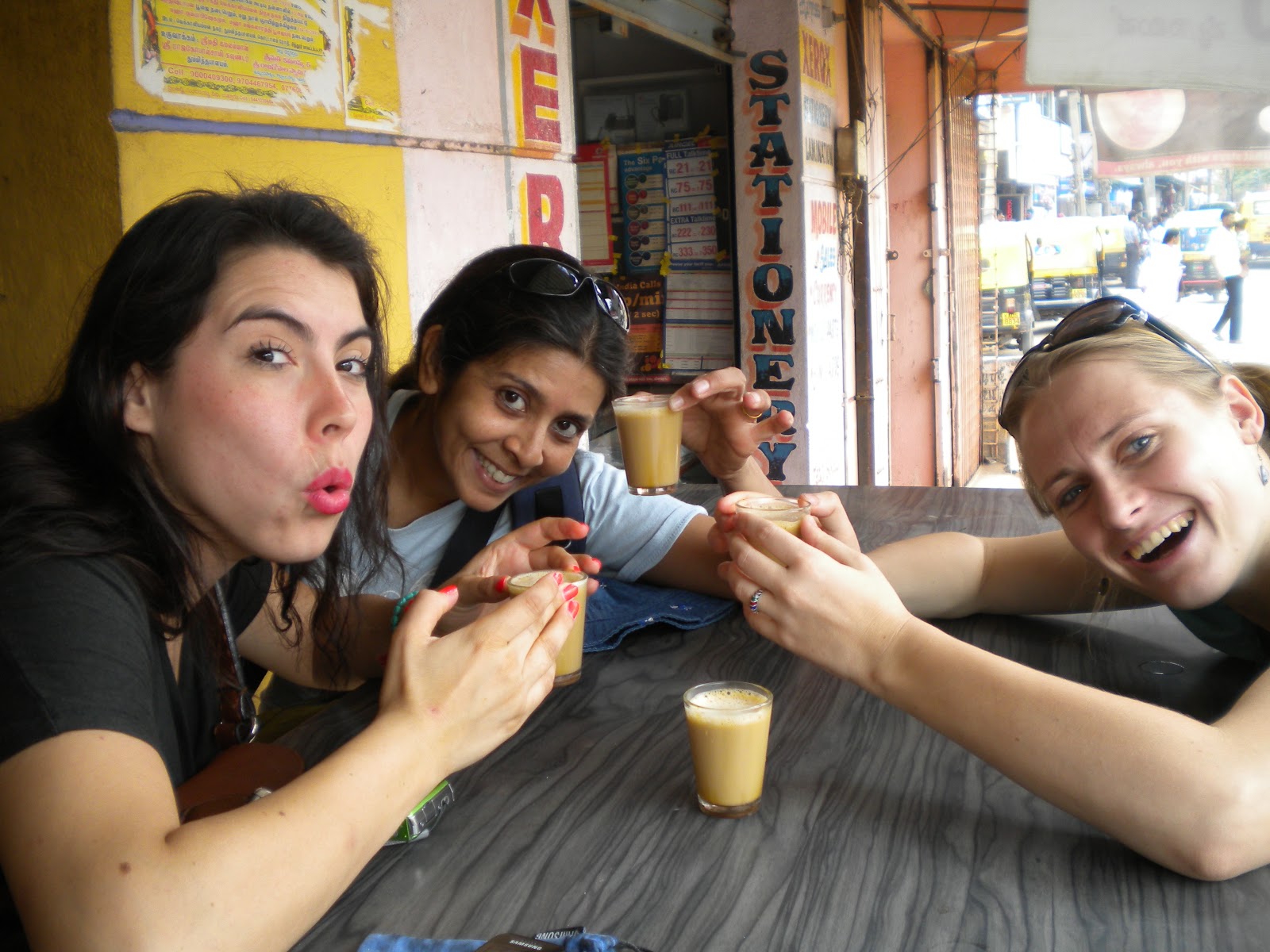
I have to compliment that milky coffee Indians make. I love it! Sometimes it’s too milky especially in a very small and dusty street café where coffee might be served in a small, dirty cup. By the time it’s on your table (which could also reveal some random ants as you are waiting) the coffee might get covered with film. Yuck! I think the best coffee I tasted in India was in Bangalore. It was served in much bigger cups, cheap and tasted good with perfect proportions of milk and coffee. 

With respect to the subtle tradition of Indian tea making that involves lots of spices and milk and already mentioned sickening sugar, I would still say No to it mostly because of the taste of cinnamon that I can’t embrace at all. Tea is just not tea with that small, however influential ingredient. The situation was better in North India. I didn’t feel that much cinnamon (or perhaps, it wasn’t there at all) and could join in for some cups of tea. 

Coffee always works
Are you hungry by now? I am. In fact, even though I sometimes went on a plain rice and rotti/chapatti diet at school, there was never famine in my neighbourhood  I survived. Moreover, I enjoyed. And even if suddenly nothing tastes good, there are always wedding invitations to fix it. There are always Indian fruits, or my beloved and truly missed coffee machine at my school’s staff room that saved me even in that one day in eight months of work when I couldn’t eat a bite at school lunch (as it was a day of unknown Indian mixtures). Bon masala appétit! 


Friday, November 30, 2012

Seven Days, Eight Flights: China-Barcelona-China

A trip to Girona (with all contestants).


There is one week of my life which still seems unbelievable as I look back at it. Seven days, eight flights, one night train, one night bus. That’s exactly what happened after I found out that I am one of the finalists of IEMed short story contest "A Sea of Words" and have been invited to the awards ceremony in Barcelona. Great! I am in China now. I said to myself. But in my mind, I knew, I would be there. And I was (except for the fact that I missed the ceremony itself). Now being back to boring Lianshui County (village) where nothing much happens, I am still living in those days and those planes: hectic, happy, rewarding.

Beijing – Kiev
It’s an early, sleepy morning. 5 am. I am waiting for the boarding at the gate of my flight in Beijing airport. Since I haven’t slept the night (lounging on a hard seat somewhere in the airport), I naturally feel dozy and exhausted. I put on my earplugs to let the music make me alert as I don’t... No, I don’t want to miss my plane! I must not miss my plane! Because that would result missing all the other seven planes, right? Some dum-dum pop music yells in my ears, and that feels good. I don’t take my earplugs out till the very boarding.

Only when I board the plane and settle at the window seat, I notice it’s raining outside. Moreover, I notice it’s STILL raining outside. I remember, it started already yesterday afternoon, and my wet feet can only confirm that it had been one of the most torturous nights at the airport having light autumn clothes on with two-years-ago-bought worn out boots that let the rainwater through. I don’t want to remember how I envied everyone who seemed smart enough to wear winter clothes. At least my eyes got warmth from them. But it didn't please my poor feet.

As I am on the plane and gazing at the rain for a while (until the plane gets ready to take off) I suddenly remember the French band Housse de Racket and their song “Apocalypso” which has the lyrics "It’s raining, imagine”, and I always want to sing “It’s raining in Beijing”. (Actually that song mentions “Pekin” in the French part of lyrics) That fits in this situation so well, and off in the clouds we are escaping all that depressing rain. The first heaven has been reached as I see shiny clouds and greet them with a brisk „Good morning!” We are heading towards happiness.

Kiev – Riga
Whenever I am flying back to Riga, the flight actually starts already in the boarding area as I am waiting for my plane. Seeing Latvian faces, hearing the native language – those are the first heralds that welcome you back home, that make you realize you have missed your home after all. And subliminally, you pay extra attention to the talks, people, and their mood about going back home. No, they don’t seem just random passengers; it feels like they are your mates, your folks from back home. Only once the home is reached and you split into different directions, they become your strangers.

There is a mother and a son who have just returned from India. Their badges on their hand luggage reveal that. There is a family of parents and two children, and an uncle (I suppose?) who mention Kazakhstan, India and Thailand in their talks, so I can’t figure out where they are actually coming from. Whatever the case, we all are heading to Riga in a very small air-plane that rather feels like a flying bus. 

Riga – Frankfurt
My flight to Frankfurt is at around noon the next day after I have returned from China. Before this flight I have submitted my documents for a new Chinese visa (as the one I had was a single-entry visa), left my passport at the embassy and with an identity card on a close look, I am ready for the next flight. I am in an aisle seat with two Latvian ladies in their thirties sitting next to me. They keep on discussing their plans in Frankfurt; it seems like a long anticipated vacation as they mention their jobs in Riga. I smile at a gentleman sitting in the other line behind me as he sleeps with an open mouth. 

Frankfurt – Barcelona
I need to spend around three hours until my connecting flight to Barcelona. What I like about Frankfurt airport is free coffee, tea, hot chocolate. It somehow compensates the fact that due to my visa issues I arrive in Barcelona much later than other finalists. In fact, I arrive when the whole ceremony is over (yes, it might sound ironic that I have travelled from China to actually miss it), but I am supposed to be on time for dinner. 

As we reach Barcelona, I hastily run towards the exit. This is the first time when someone welcomes me with a name tag in his hands. Yes, it’s my taxi driver hanging my name on a piece of paper. I notice him quickly. As we get in the car, I anxiously start asking him about the ceremony: did you like it? How was it? Has everyone arrived? Where is the dinner place? But only then I realize he has nothing to do with that. He is just a taxi driver. That makes me sit quietly and watch outside the window admiring the nightly Barcelona. Yesterday night I was in Latvia; the night before yesterday I was in China. I say to myself, and I can’t believe it. How manageable this world is! 

Barcelona – Frankfurt
We will miss the flight. OMG, it’s 3.45. We arranged to meet downstairs at 3.40 when the taxi was supposed to drive us to the airport. I hastily put on my coat, take my stuff and get down to the reception where me and Andreas, a guy from Cyprus (we are the two unlucky ones whose flights are at around 6 am in the morning) should meet. Andreas is not there! I knew he would oversleep. I start troubling the poor receptionist. “Taxi, taxi, where is the taxi? I want to check out. Fast, fast, call to Andreas, Room 103,” I say everything at once and only after that I realize that nothing of my message has been understood as the receptionist doesn't even speak English. But still. Didn't we arrange that the residence books a cab for 3.40? I am in panic, but he is calm, peaceful, even confused, mumbling something in Spanish. Why? Doesn't he understand we are going to miss our flights??? Only then I notice a big watch hanging on the wall. I want to laugh. I want to cry. I want to kill myself. It’s 00.40. Feeling embarrassed, I apologize to the receptionist and go back to my room. I can sleep three more hours!!! Alarm clock rang only in my dreams, it seems.

I didn't miss the flight. Neither did Andreas. Moreover, have you been on a plane with two pilots – one in front, the other one sitting back? Well, the second one was sitting next to me as a passenger. He felt the necessity to boast about it to the flight attendant who didn't seem to care. It’s 6 am after all. 

Frankfurt – Riga
Again I am happy to stop at Frankfurt airport for many cups of hot chocolate. It’s not too long to wait till my next flight. I take a seat, pick up a book and hear one of the most beautiful melodies in the world – two Finnish guys are leisurely chatting and ohhh, this is still one of my favourite and definitely, the cutest language I have ever heard. I wish I could keep this cassette on longer, but the guys leave soon and so does my flight with me thrust in an aisle seat. I don’t like at all what the captain says, as we are approaching Riga. It’s rainy, cloudy, unpleasant weather. Can you change the course, then? I want to ask. But he steadily moves across Poland, Lithuania and finally lands in Riga.

Riga – Kiev
I have one full day in Latvia to go and pick my visa, have dinner at home, and pack my suitcase for… China. Two more flights and I will have completed my eight-sky journey. The flight from Riga to Kiev was actually very terrifying. Not because of the turbulence… or I should say – it was my own turbulence as I suddenly had a feeling I had forgotten all my extra Chinese money home. Don’t laugh! I kept those banknotes in a stocking (not to have everything in my wallet which was already stuffed with lats, euros, dollars). Of course, I would normally take that stocking in my hand luggage. I couldn't believe I had carelessly tossed it in my suitcase. That however becomes my hope as to where the money could have gone. Another option is that I have left it at home which means I would probably find it once I am back home again. But what would I do with Chinese RMB in Latvia? There is another option (which is the one I least expect): I have somehow somewhere lost it (no wonder, after all that packing-unpacking-repacking from-to China-Barcelona-China). So, with a hope for the very first option (that I have packed it in my suitcase) I leave for Kiev and then I need to keep that hope for another 13 hours till I would find out which option my dear stocking decided to go for. Luckily, for my mental situation, Kiev airport appears to be a complete mess as there is this bewilderment around terminals. I arrive in the terminal B, but I need to get to the terminal D where the flight to Beijing will be boarded. Well, even the airport employees seem to be unaware of how to help me and other passengers with connecting flights. They are sending us like lost luggage from one gate to other. Finally, a driver arrives and takes us to the terminal D by micro-bus  That at least helped dispel the stress about my missing stocking. 

Kiev – Beijing
Next to my worries about possible lost Chinese RMBs, I get another burden. Aisle seat. Especially when I am flying long distances, I insist on having a window seat as it’s more comfortable for sleeping unless I get an interesting neighbour to talk to. Thankfully, the latter happens with me this time. The middle-aged lady who sits next to me is indeed a nice person. She is so cute with her slippers and fear to travel on a plane. That makes me feel more experienced sitting next to her; next to the professor of Environment as I eventually learn. We start chatting and guess what – I am trying to speak my very, very poor and broken Russian (I have no other choice as she doesn't speak English). I am so bad that I laugh about my tempo, word choice and sentences that are mixed with Latvian, English and in the end I sound like a kid who has just started to speak. Or even worse. But I am determined to get my message across, and it somehow works. The lady invites me for a conference in Ukraine. I also get to know she is going to stay in China for one month to lecture at a university. 

After the nine hours journey and constant chatting with her, I am so dead tired and low in energy as if I had been running a marathon. This is the time to say “hello” to China again and find a well deserved surprise in my suitcase – my money stocking. I embrace it affectionately as if feeling sorry for having abandoned it in my suitcase. 

It’s time to find the bus station to my rural, remote village where I live (actually it’s a county, but sorry – I can’t call it like that with the village-like ambience it has). That becomes another adventure with fatigue and tears, but eh… that’s another story.

Monday, November 26, 2012

Cinderella’s Wedding Dress

On this special Sunday evening of Anurag and Ajala’s wedding Chowmahalla Palace looked magnificent as always. Adorned in its white, glistening marble surrounded by refreshing fountains and vivacious palm trees and bushes, like oasis it saved the city of Hyderabad from busy markets, aggressive vendors and shabby buildings. There, white wedding chairs were leisurely dwelling on the lush, green lawn as if longing to welcome the guests - ladies in beauteous sarees, gentlemen in imperial kurtas – who would majestically arrive at the place, then gracefully sit and contemplate the splendid view and later pamper themselves with the refined feast.

Sabina didn’t notice any of it. She didn’t see the palace or its beauty, she didn’t care about the solemn occasion, she didn’t know who was getting married. Along with three other blonde, fair looking Western girls she had hurriedly entered the venue and had now started her work where she served picky and spoiled guests in their expensive outfits; that’s what she saw. Moreover, she was angry at her manager Karthik who as always had been wrong about the timing and had brought the girls to the venue late from their previous work – shooting at the swimming pool in Ramoji Film City. Still in wet bikinis the four girls had hastily put on black, elegant dresses to turn into pretty, charming ladies. Supposedly… 

“No time, no time. We have to be there at 6,” Karthik commanded as the girls had just finished the last scene at the swimming pool and now wanted to change.

“But you said, it was 7 o’clock,” Sabina remembered. She was already seemingly nervous. This didn’t happen for the first time.

“No, now it’s 6, the car is there,” he said as if there was nothing wrong with the change and immediately started walking towards the car pushing the girls to follow. The relatively short man in his forties moved as quickly as a shuttle with his comfortable, round shape tummy happily enfolded in Pepe Jeans T-shirt and cheerfully jumping up and down as Karthik walked faster and faster.

“Karthik, what is this? We need to change at least!” Sabina requested.

“Car is there, you will change in the car,” Karthik was firm. 

Also the other girls started complaining, but having realized they can’t do anything, they obediently followed to the car. Exhausted, tired, frustrated and hungry.

Karthik wasn’t a responsible man. Always picking up the girls late, getting them back home late, last minute notices, changes. Yes that was Karthik; a complete opposite to Sabina’s German punctuality. 

“Eat now. At the wedding no time, work is there immediately,” he carelessly threw four packs of Chicken bryani to the backseat of the car where the four foreigners had hardly managed to squeeze in. My last time, this is really my last time I am doing this, Sabina muttered to herself as she was putting on the black, subtle dress.

Soon after Sabina was standing by the salad stall with four columns of plates on it ready to be given to people. Her work had begun: having put on a mask with a happy, shiny face she was pleasing the merry wedding guests. 

Her blue eyes saw nothing but the vigorous, hungry hands excited to take the circular dishes. Sometimes if the guests were nice she forced herself to look into those joyful faces and murmur the usual, out-warn phrases “Here you are, welcome, sir,” but as the next hands approached her, she blenched. 

Her blue eyes saw nothing but the contented tummies which sometimes came prior to the face of a person and seemed as if it was the fat belly requesting for a plate.

“Give me one plate, a?”

“Here you have, sir.”

“Spoon, spoon, give me a spoon,” the belly demanded.

“No more spoons,” Sabina said it for the forty seventh time, with no interest, no concern about the problem.

“No spoons? Eh?? How are we going to eat?”

“You have to wait for some time,” she said.

“Wait? How long do I need to wait? Call your manager!”

“I called already. Spoons are coming.”

“Coming when?” the insistent Indian man seemed to be really hungry.

“I don’t know. Coming any time,” Sabina said faintly for the forty seventh time as she was already taking the other plate, unwrapping it from the transparent polyethylene and passing to the next guest, seemingly less worried about eating with hands. 

The wedding went as usual: boring procedures, long and burdensome standing, Chammak Challo yelling in Sabina’s ears. She tried not to think about those food mountains the guests surmounted as small hills. Jumping from bryani to fried rice, paneer, dal, chapatti, Chinese and finally topping it up with luscious, butterscotch ice-cream. Though Sabina knew she could have some food from the leftovers once the wedding was over, she was already dead tired at that moment willing to get home as soon as possible. After all, the next day she had her day job – she worked as an assistant at a private company. The salary wasn’t enough to enjoy her days in India – go out, travel, not worry about money. That’s why she went for these foreigner jobs. She thought to earn some extra money, but wedding by wedding she realized she got tired and couldn’t be productive for either of her jobs. She didn’t go out, didn’t spend time with friends, and didn’t travel. 

But because of those three seconds when her manager reluctantly took out from his pocket the well deserved, lucent and desired banknotes of Indian rupees, she was still serving at the weddings. Because of these three seconds longing to arrive sooner she was biting her teeth to be patient and pulling her body to look statuesque and brisk. And because of those three seconds she easily broke her promise of doing this job for the last time as the next offer fell into her hands. 

Sabina would never imagine that this wedding could lead her to change. The last crowd, she thought to herself as many new guests were gathering around her. They demanded the same as everyone – a clean plate. Obediently fulfilling her task, she suddenly started feeling loose in her black dress. As she was giving the plates, she didn’t have time to pay attention to it, but when she noticed more and more Indian eyes staring at her and silently giggling, she finally looked at herself. Her black dress had been untied and ripped from the back and now exposed her pink color bikini to the eyes of everyone. 

“AAAA,” Sabina could say nothing but scream causing even more attention. She left everything and started a panic race. She tried to save her dress, but half of it was tore and her pink bikini was no longer hidden. 

“Karthik, Karthik,” she yelled. “Where are you?” Her mind was stuck as in a jam. She didn’t know what to do: find a bush and hide? Call Karthik? Call the other girls? Where are they? Where is everyone suddenly? Where are my clothes? She just kept running but couldn’t do anything to her pink bikini that did the job. It had uncovered her pale white skin and perfectly slim body with long legs moving her rump forward and hands trying to maintain one small piece of the black clothing on her bosom. 

The tight, pink Ceylon bikini had brightened the ceremony better than those enchanting sarees worn by ladies; it had tasted better than the butterscotch ice cream to the hungry eyes of Indian men. Now they could not only lick their lips but also their eyes fully satisfied with the pleasant scenery - better than the magnificent Chowmahalla Palace, better than those food mountains and luxuriously decorated venue. Hey lovely! Where are you running, sweetie? Come to me! She tried to ignore those taunts left behind her.

Everyone had enjoyed the show except for Sabina. Defeated, humiliated, despaired she was when her manager found her. All in tears, trembling, utterly destroyed.

“I am sorry Sabina, we will try to find that bustard who ripped your dress. We will not leave it like that.”

“Who cares now?” the girl sobbed with no energy left. Not even enough to blame her manager, this job, everyone in the wedding, to scream, shout or explode. Nothing mattered any more. Not even those banknotes that used to be her three-second joy despite of everything and that manager now gave her as casually as always. They will never make her happy again. 

She put on her clothes that Karthik had brought her and let the taxi driver bring her home. This WAS my last time! Sabina said to herself decidedly. 

Tuesday, November 6, 2012

Selected for the Gabriela Garcia Marquez Fellowship

I am among 20 journalists from all over the world that are selected for the Gabriel García Márquez fellowship in cultural journalism 2013. All journalists will be invited to Columbia in January 7 - 21, 2013  to work in the modules of Music and Literature. I am selected for the Music Module and will report from the  
Cartagena International Music Festival for the Concertnews.be (Belgian music website I represent). 

Altogether 465 applications from 70 countries in Latin America, the Caribbean, Central America, North America, Asia, Africa and Europe were received this year reaching the  highest number of applications in the 17 years FNPI history.

The fellowship is provided and organized by The Ministry of Culture of Colombia and the Gabriel García Márquez New Journalism Foundation - FNPI. 


Thursday, November 1, 2012

Among Finalists in the Literary Contest "A Sea of Words"

My short story "Zilo acu stāsts" ("Blue Eyes' Story") was selected as one of the 14 finalists in the short story contest “A Sea of Words”, and I was invited to participate in the awards ceremony on 5th of November 2012 in Barcelona. 

In the ceremony, three winners were announced, as well as the contestants took part in the workshop “Literary Language, An Instrument of Dialogue”, organised with the General Directorate for Youth. We also went for a cultural visit to Girona. 

This was the fifth year of the contest organised by the European Institute of the Mediterranean (IEMed) and the Anna Lindh Foundation. It received 283 short stories by youths from European and Mediterranean countries.

All fourteen short stories will be published in a book. The list of finalists can be found here: 

Saturday, September 1, 2012

Muļķības par arābu valstīm labāk nerakstīt

Medijs: European Journalism Observatory EJO
Links: http://lv.ejo-online.eu/1654/etika-un-kvalitate/mulkibas-par-arabu-valstim-labak-nerakstit

Ne jau arābu valstīm vajag Latviju, mums vajag arābu valstis, tāpēc kļūdainu rakstu parādīšanās medijos varētu novest pie sadarbības pārtraukšanas, ja tos iztulkotu. To nākas  secināt pēc diskusijas „Reportēšana no arābu valstīm: Ēģiptes piemērs”, ko 23.augustā Rīkoja nevalstiskā žurnālistu organizācija FEJS Latvija.

Katarai Latviju nevajag
Savulaik presē „viena gudra eksperte rakstīja lietas par arābu pasauli un tradīcijām, kas var it kā traucēt Latvijas sadarbībai ar Kataru. Tik muļķīgi aprakstīts!” atceras Arābu kultūras centra Latvijā vadītājs Hosams Abu Meri. „Tā nedrīkst. Ja es tulkotu šādu rakstu un sūtītu to uz Kataru, rīt biznesa vairs nebūtu, jo Katarai Latviju nevajag. Latvijai vajag Kataru,” viņš uzsver ekonomisko sakaru un investīcīju svarīgo lomu, ar ko nedrīkst nerēķināties. Arābu kultūras centra vadītājs piebilst, ka ir vairāki gadījumi, kad Latvijas medijos nonākusi neprecīza informācija par arābu valstīm. Viņš uzsver, ka žurnālistam, kurš nav kompetents par šo reģionu, par to labāk nerakstīt.

Pietrūkst klātbūtnes efekta
Laikraksta Latvijas Avīze (LA) žurnālists Jānis Krēķis nenoliedz, ka, ņemot vērā ģeogrāfisko attālumu un Latvijas ārpolitiskās intereses, arābu valstis Latvijas mediju dienaskārtībā nav prioritāte. H.Abu Meri gan norāda, ka tas nav pareizi, „jo ekonomiski un politiski tas [notikumi un konflikti šajā reģionā] ietekmē visu pasauli”, tāpēc arī medijiem atbildīgi jāizvērtē ekonomiskās sadarbības nepieciešamība ar šo reģionu un sava loma šīs sadarbības veicināšanā vai graušanā.

Vienlaikus J.Krēķis nenoliedz, ka Latvijas medijiem ir diezgan lokāls raksturs, un globālais skatījums uz lietām nav tik dziļš, kā varētu vēlēties. Lielā mērā to nosaka ierastās ārzemju ziņu veidošanas rutīnas. Proti, pamatā informācija ārzemju ziņu veidošanai tiek ņemta no ziņu aģentūrām (REUTERS, AP), kā arī ārzemju medijiem (BBC). Tas neizbēgami noved pie klātbūtnes efekta trūkuma. Tai pat laikā J.Krēķis šaubās, vai žurnālistu sūtīšana uz šo valsti situāciju padarītu skaidrāku: „Ja žurnālists aizbrauks uz Kairu bez jebkādām iestrādēm, vai pievienotā vērtība būs pietiekami liela, lai bagātinātu stāstu par Kairu vai Sīriju? Es šaubos!”

Bez tam speciālkorespondenta sūtīšanai uz kādu karsto punktu ir arī  savas finansiālās konsekvences, tāpēc vietējie mediji meklē citas alternatīvas. Piemēram, LA neaprobežojoties tikai ar aģentūras ziņām. Tiek intervēti eksperti no Arābu Kultūras centra, Āzijas studiju nodaļas (piemēram, Leons Taivāns), kā arī izmantoti Ēģiptē dzīvojošo latviešu un ēģiptiešu pieredzes stāsti (intervējot pa telefonu), tāpat arī izmantotas Latvijas vēstniecības Ēģiptē konsultācijas. „Es pieļauju, ka arī Latvijā ir pietiekami daudz ekspertu par arābu jautājumiem, un Latvijas Avīze ir mēģinājusi skaidrot šo situāciju, atklājot ko vairāk par skaitļiem – cik nomira, cik uzsprāga,” uzsver J.Krēķis. H.Abu Meri par ekspertiem Latvijas medijos gan izsakās piesardzīgāk. „Ļoti švaki ar tiem ekspertiem Latvijā. Kādreiz liekas, nerunājiet par lietām, ko jūs nezināt! Tad jau labāk šādos gadījumos tiešām no Reuters rakstīt,” uzskata H.Abu Meri.

Jāmācās valoda un jāiedziļinās tajā, ko dara
Kā vienu no risinājumiem, lai ziņas par notikumiem arābu valstīs un jebkurā citā valstī vai reģionā kļūtu kvalitatīvākas, H.Abu Meri redz arābiski runājošu cilvēku piesaisti, kuri var sekot līdzi informācijai, izmantojot primāro valodu. Tas, pēc Arābu Kultūras centra vadītāja domām, dotu informācijas pieeju vietējiem avotiem un lielāku precizitāti.

Bez tam svarīgi arī, lai ārzemju korespondenti nemitīgi interesētos par ārvalstīs notiekošo, arī pirms došanās uz šīm valstīm būtu vēlams sagatavoties, lai, jau esot tur, labāk varētu izprast un skaidrot situāciju. Tam piekrīt arī J.Krēķis: „Ja cilvēks raksta par ārzemēm, viņam uz turieni ir jābraukā, jāinteresējas un jālasa informācija grāmatās, portālos un citos avotos. Turklāt, ja kādam jau ir iestrādes un kontakti, kāds tur ir bijis, tad to vajag izmantot un ar saviem stāstiem dalīties medijos.”